

How to Keep Skunks Away from Your Schaumburg Yard in 2026
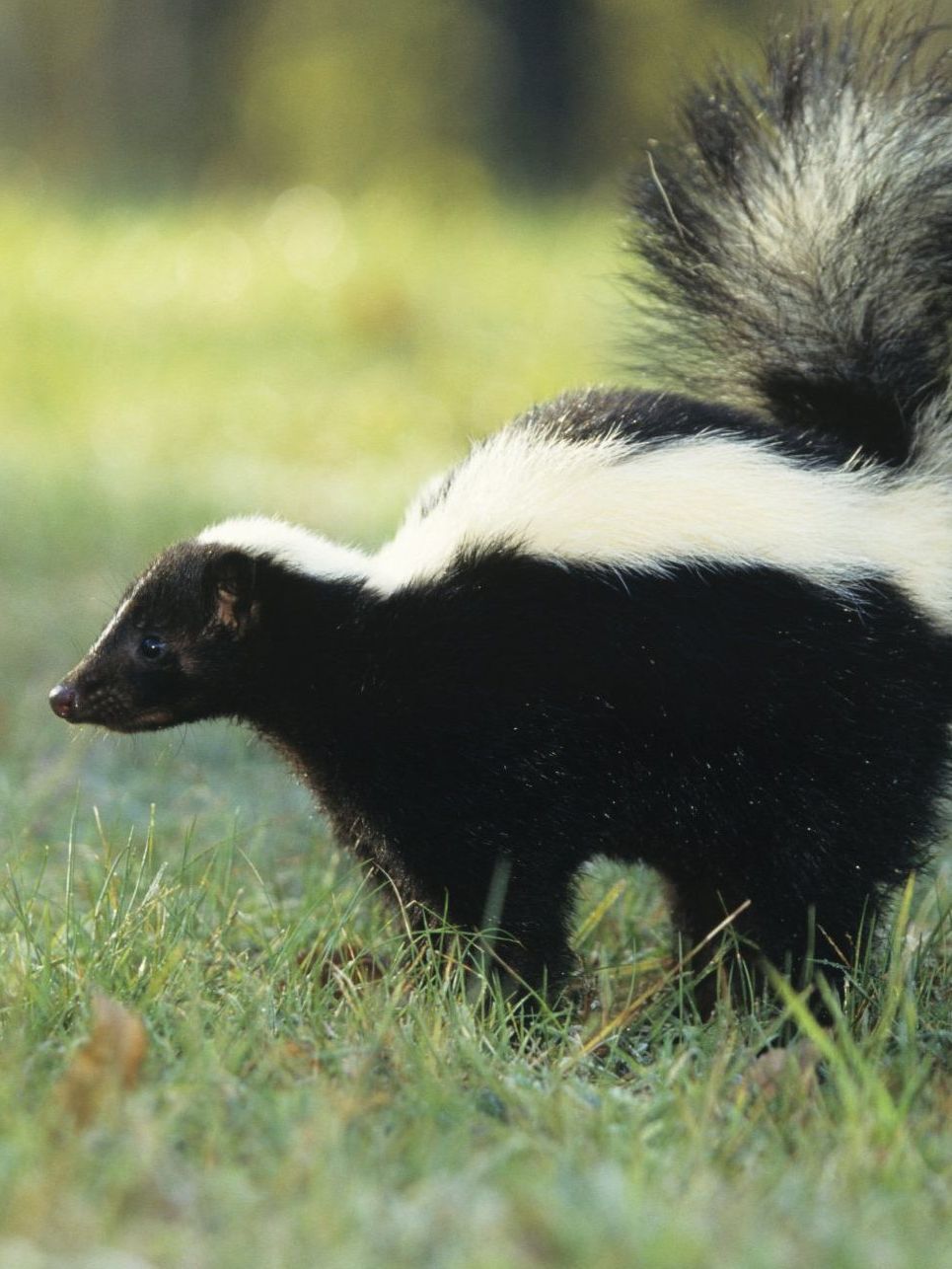
Skunks are a real and growing concern for homeowners in Schaumburg, IL. In this guide, we cover what attracts them, how to spot a den, and what steps may help with skunk removal before the problem gets worse. Schaumburg sits in Cook County and features a mix of residential neighborhoods, corporate campuses, and natural corridors that make it a prime area for skunk activity year-round.
What Attracts Skunks to Schaumburg Yards?
Skunks come looking for three things: food, shelter, and water. Schaumburg's landscape makes it easy to find all three. Salt Creek and the Schaumburg Branch waterway give skunks reliable travel routes into residential neighborhoods near Weathersfield, Plum Grove, and Brentwood. Spring Valley Nature Center also supports dense wildlife populations that regularly spread into surrounding streets.
Food is the biggest draw. Skunks are omnivores that will dig through unsecured garbage, raid compost piles, eat fallen fruit, and forage for grubs in your lawn. Those small cone-shaped holes you notice in the grass each morning are often overnight skunk digging sites. Ground-level bird feeders and pet food left outside are common attractants as well.
Shelter matters just as much. Skunks prefer low, dark, enclosed spaces for denning. Open gaps under decks, porches, sheds, and stoops are exactly what they look for. Schaumburg's older neighborhoods, particularly those with raised wood decks and original 1970s and 1980s construction, often have gaps large enough for a skunk to enter and establish a den. Brush piles and dense landscaping along fence lines can also serve as cover.
How Can You Tell if a Skunk Has Denned Under Your Deck or Porch?
Two or more of these signs together usually point to an active den.
▸ A persistent musky odor near the base of your deck, porch, or shed, even without a full spray event.
▸ Small scratch marks and disturbed soil around deck edges or a concrete slab.
▸ Shallow cone-shaped holes in the lawn, typically 3 to 4 inches wide.
▸ Sightings of a skunk at dusk or dawn near the structure.
▸Pets becoming agitated near one part of the yard.
Skunks are nocturnal and quiet, so you may go days without seeing one. A faint odor that does not go away on its own usually means an animal is denning nearby rather than passing through.
DIY Prevention Steps Schaumburg Homeowners Can Try
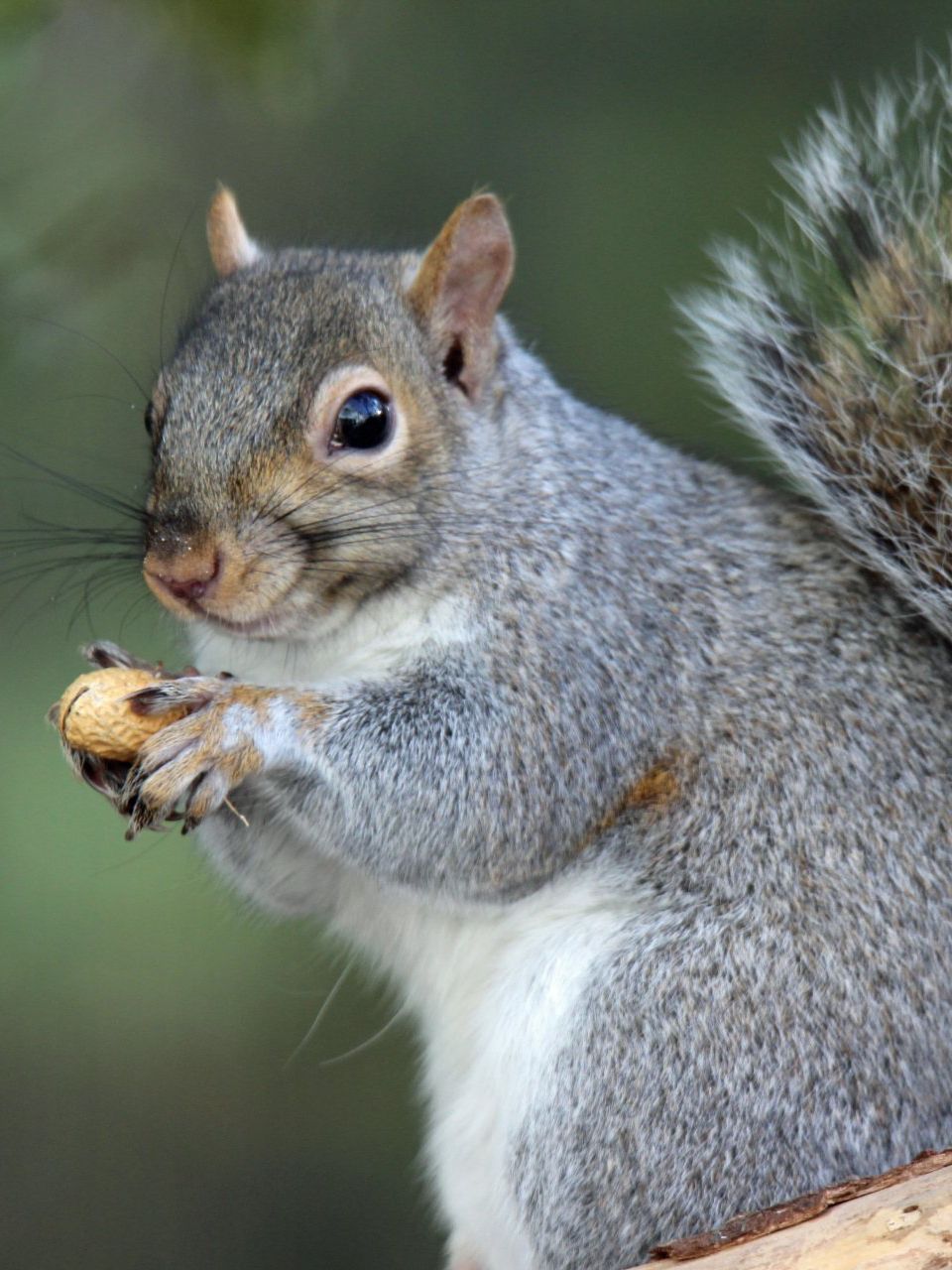
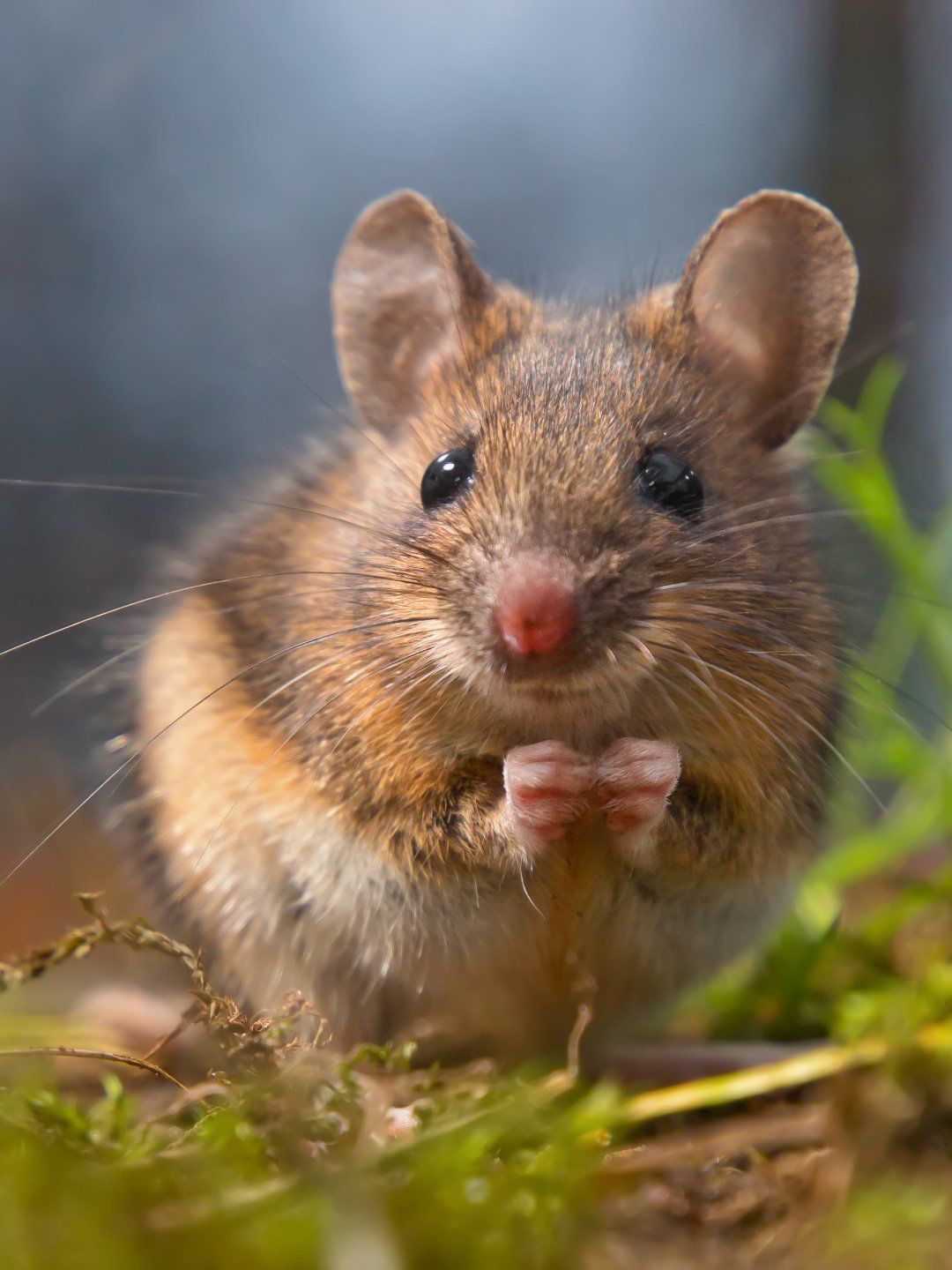
Wildlife activity fluctuates significantly throughout the year, driven by breeding cycles and weather conditions that force animals to seek shelter. Spring is a critical time because many species, including raccoons and squirrels, are looking for safe, warm places to give birth and raise their young. During this season, mother animals become more aggressive and determined to secure a den, making them more likely to force entry into homes. Conversely, winter drives wildlife to seek warmth against the freezing temperatures, leading to an increase in animals hiding inside wall voids and attics where they can survive the cold months.
DIY Prevention Steps Schaumburg Homeowners Can Try
Remove Food Sources
▸ Secure garbage cans with tight-fitting lids or store them in the garage until collection day.
▸ Feed pets indoors or remove outdoor bowls immediately after feeding.
▸ Clean up fallen fruit promptly.
▸ Move bird feeders to pole mounts at least 5 feet high and use a catch tray to limit seed on the ground.
▸ Use a sealed compost bin rather than an open pile.
Eliminate Shelter Opportunities
▸ Seal gaps under decks, porches, sheds, and stoops with heavy-gauge wire mesh buried several inches into the ground to prevent digging.
▸Clear brush piles, wood stacks, and dense low-growing shrubs from areas near your foundation.
▸Keep grass trimmed and remove leaf litter along fence lines.
Address Lawn Grubs
Skunks dig for grubs, so reducing the grub population may reduce digging. Applying grub control in late summer, when grubs are near the surface, can make your yard less appealing. Avoid overwatering, which pushes grubs higher and makes them easier to find.
Use Motion-Activated Lighting
Motion-activated lights around deck perimeters and fence lines may discourage skunks, which prefer dark and undisturbed areas. This works best when combined with the food and shelter steps above.
When to Call Us for Skunk Removal in Schaumburg
DIY deterrents can reduce activity but will not resolve an active den. In Illinois, skunks are classified as furbearers under the Illinois Wildlife Code, and trapping without a permit from the Illinois Department of Natural Resources is not permitted for most homeowners. Attempting to trap or handle a skunk yourself also carries real risks: spray, physical contact, and potential disease exposure.
If you have spotted a skunk entering or exiting a structure, noticed persistent odor from a specific location, or found signs of an active den, contact our licensed team. Our skunk removal targets the specific entry point, reducing the chance of trapping unintended animals and addressing the root problem. After removal, we can install exclusion barriers to prevent future entry.
Schaumburg's animal control division refers nuisance skunk cases to licensed wildlife relocation services rather than handling trapping directly, so working with our licensed wildlife control team is the fastest path to resolution.
Take Back Your Yard This Year
Skunk activity in Schaumburg, IL, peaks in early spring when females seek den sites and again in late summer when juveniles begin ranging on their own. Acting before a den is established gives you the best chance of avoiding a spray event or structural damage.
If skunks have already moved in, the safest option is to call our licensed team. At
All Wildlife Animal Eviction, we serve the Schaumburg area and offer humane, licensed skunk removal with exclusion work to prevent future access.
Call (847) 882-2523 to schedule a visit, or
contact us online to get started. You can also visit the
skunk removal service page to learn more before you call.