



Is Wildlife Animal Removal in Wauconda, IL, Covered by Homeowners Insurance?
If you are looking into wildlife animal removal in Wauconda, IL, understanding your insurance coverage first can save you significant frustration and unexpected out-of-pocket costs. Many homeowners assume their policy will pay for everything after a raccoon tears through their roof or squirrels move into their attic. The reality is more complicated.
How Does Homeowners Insurance Treat Wildlife Damage in Illinois?
Most standard Illinois homeowners policies may cover sudden, unexpected structural damage caused by certain wild animals. The key word is "sudden." A deer crashing through a sliding door is the kind of one-time event insurers are more likely to cover. A raccoon slowly tearing apart your soffit over several weeks is a different story.
Wildlife damage may be covered under dwelling coverage, which protects your home's structure and anything attached to it, or other structures coverage, which protects detached structures like fences or sheds.
What most policies exclude is equally important. Damage from insects, rodents, or birds is usually not covered. Animal infestations and damage from animal waste or secretions are also generally excluded.
Illinois homeowners insurance is governed under 215 ILCS 5/523, which defines homeowners insurance as personal multi-peril property coverage. The specific perils covered depend on individual policy language, so always read your declarations page carefully.
Which Animals Are Most Likely to Be Covered?
Coverage often depends on how the insurer classifies the animal involved.
Here is how coverage tends to work for common Illinois wildlife:
▸ Deer: Sudden impact damage, like a broken window or door, may be covered.
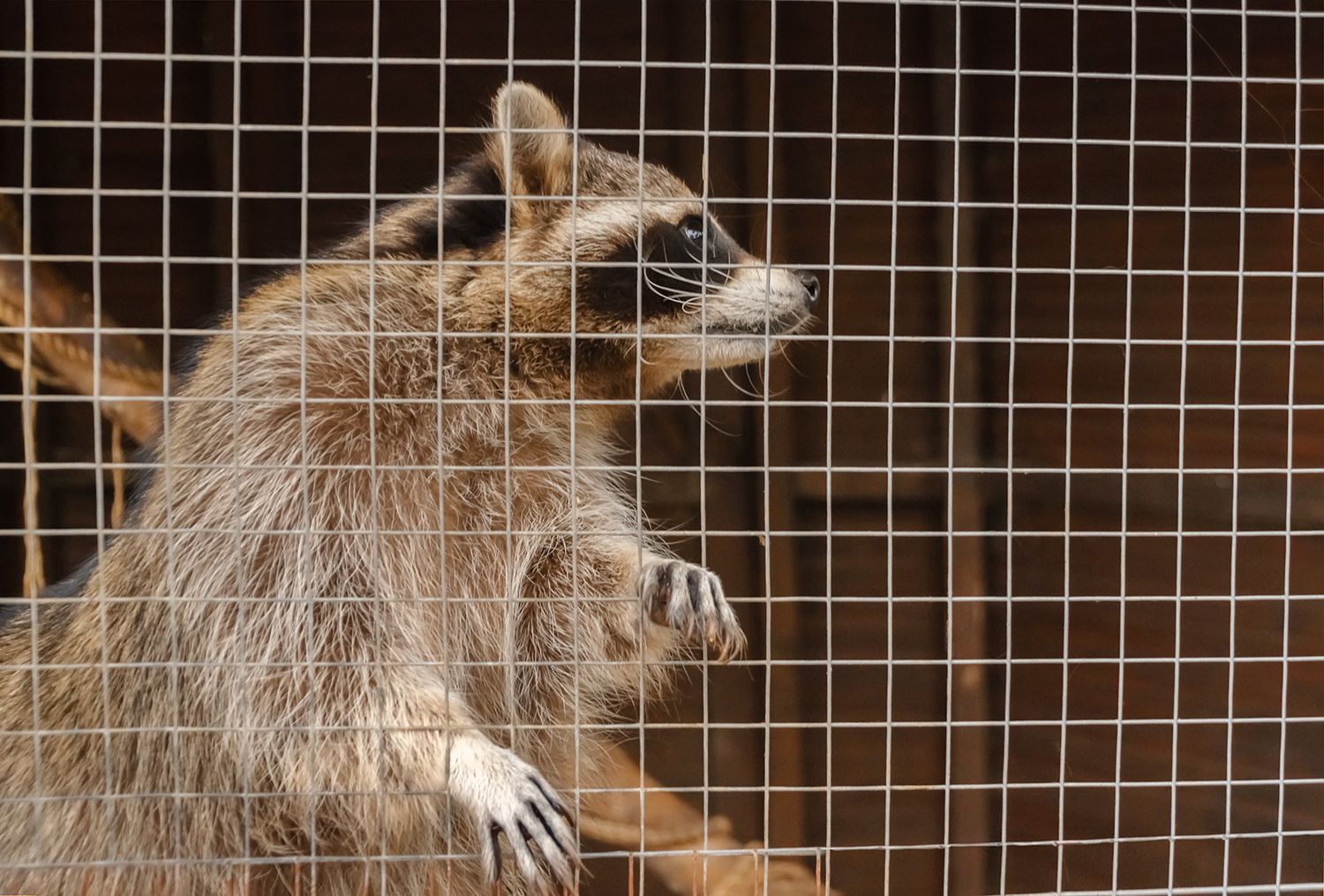
▸ Raccoons: Structural damage may be covered depending on policy language and how quickly the damage occurred.
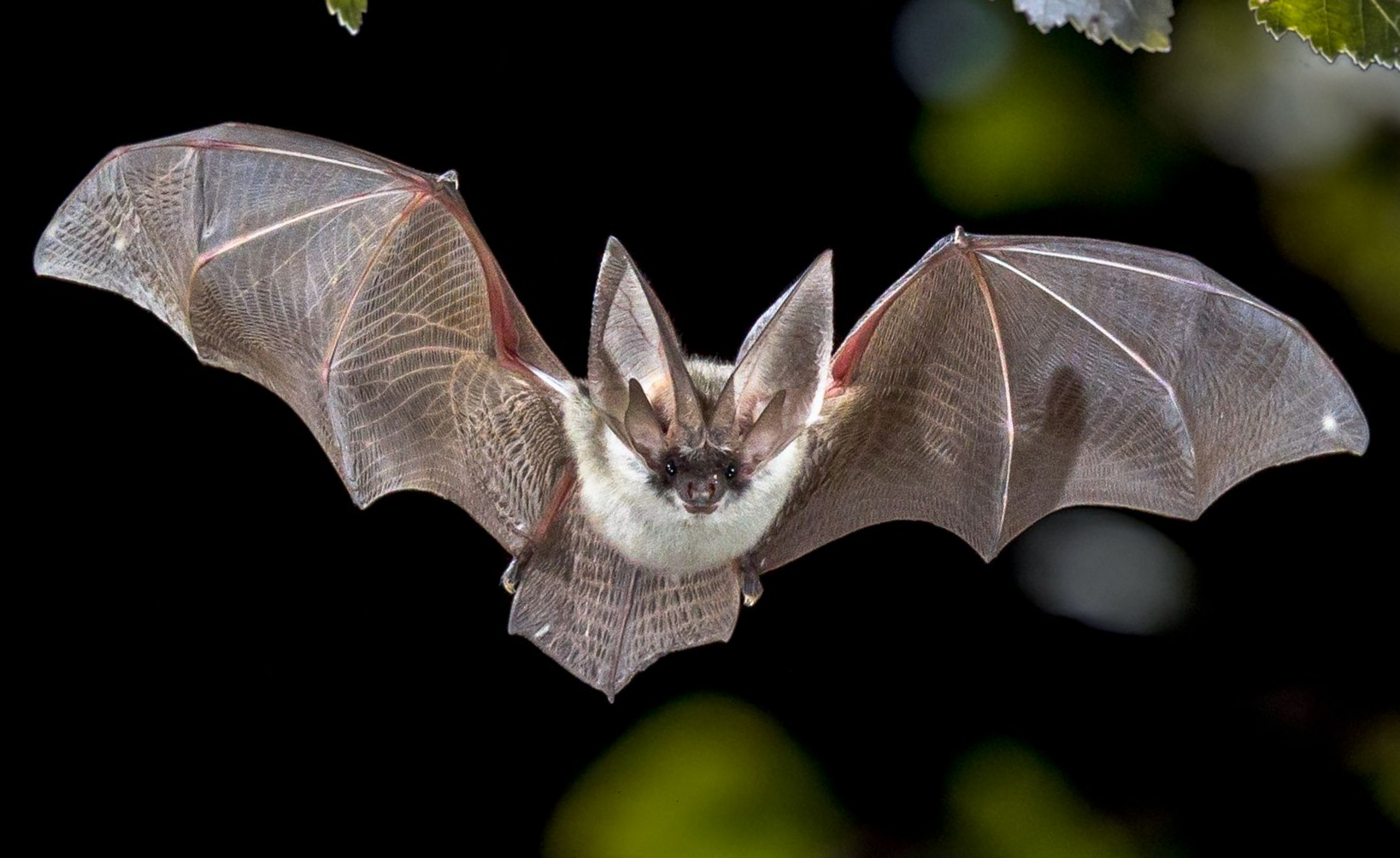
▸ Bats: Entry damage and related structural repairs are frequently excluded as an infestation.
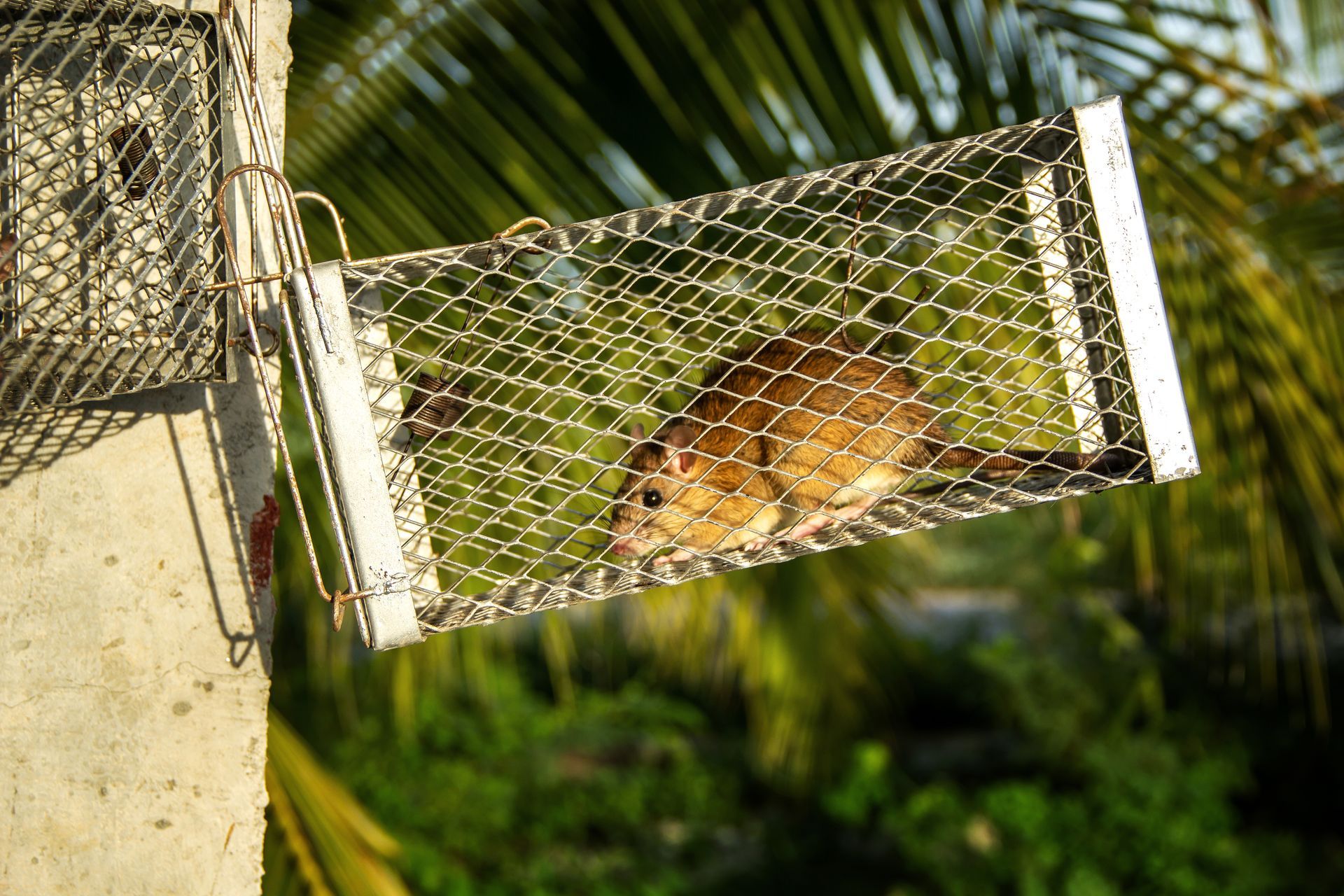
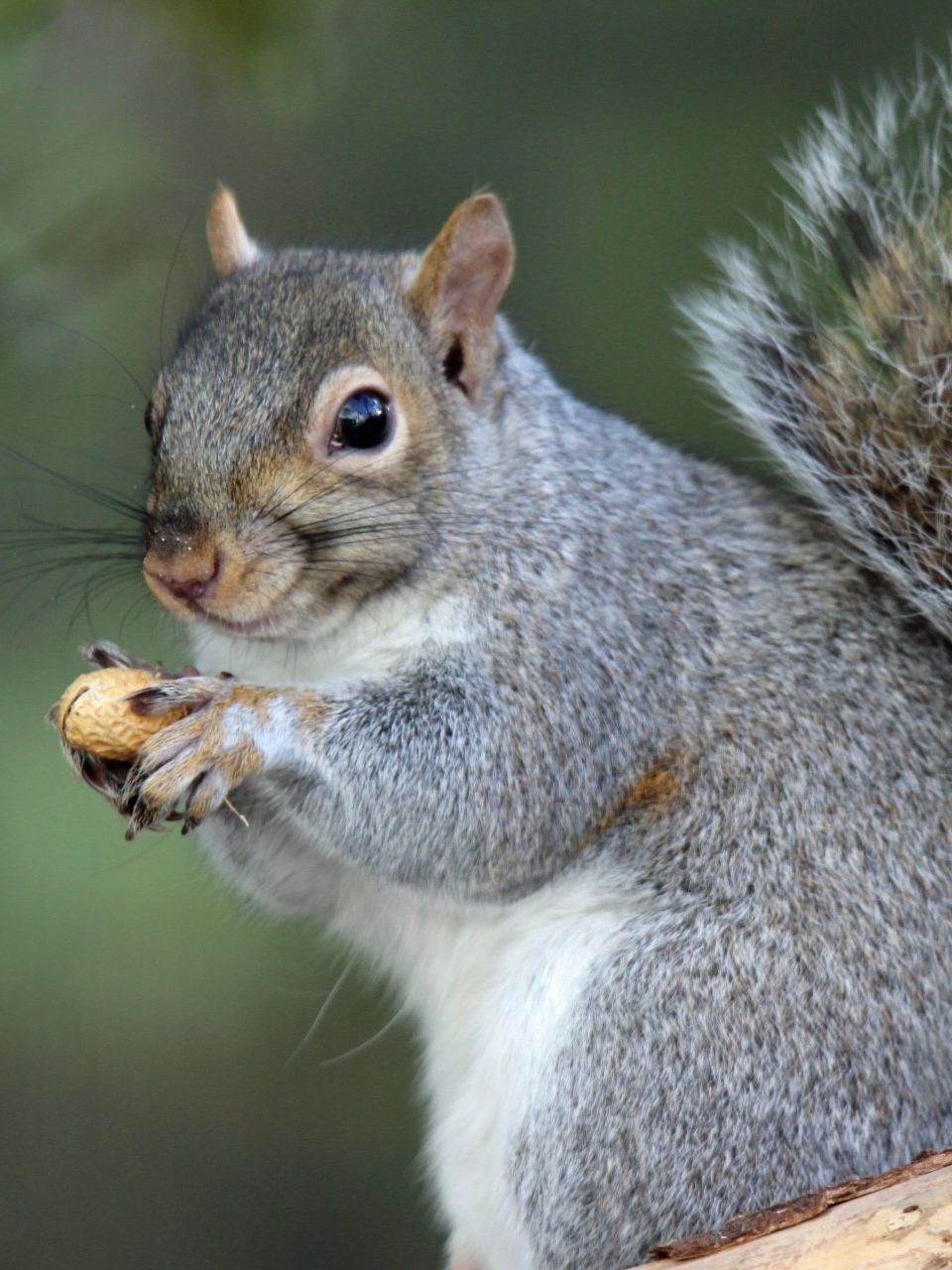
▸ Squirrels and mice: Damage from rodents generally is not covered because infestations are considered preventable.
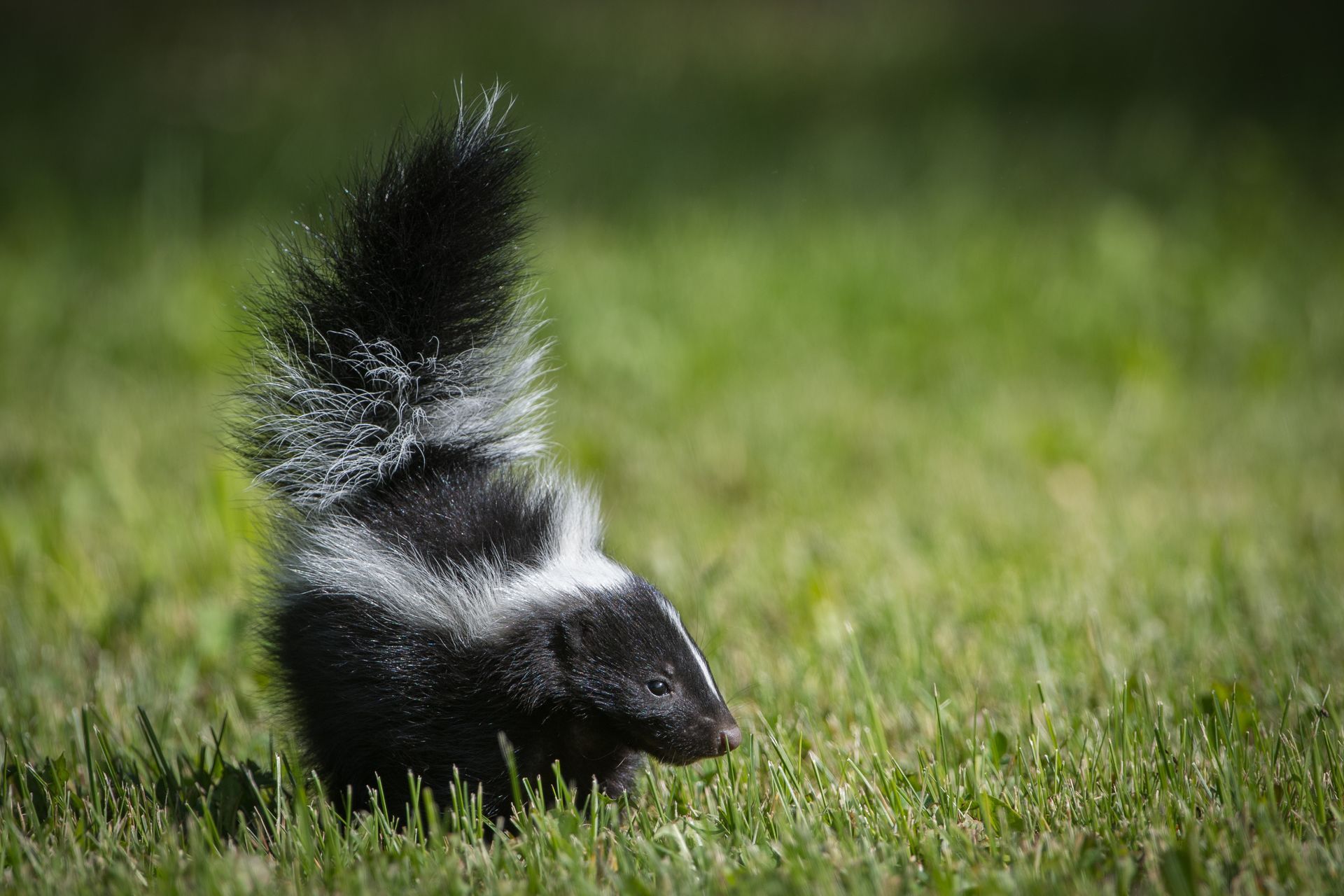
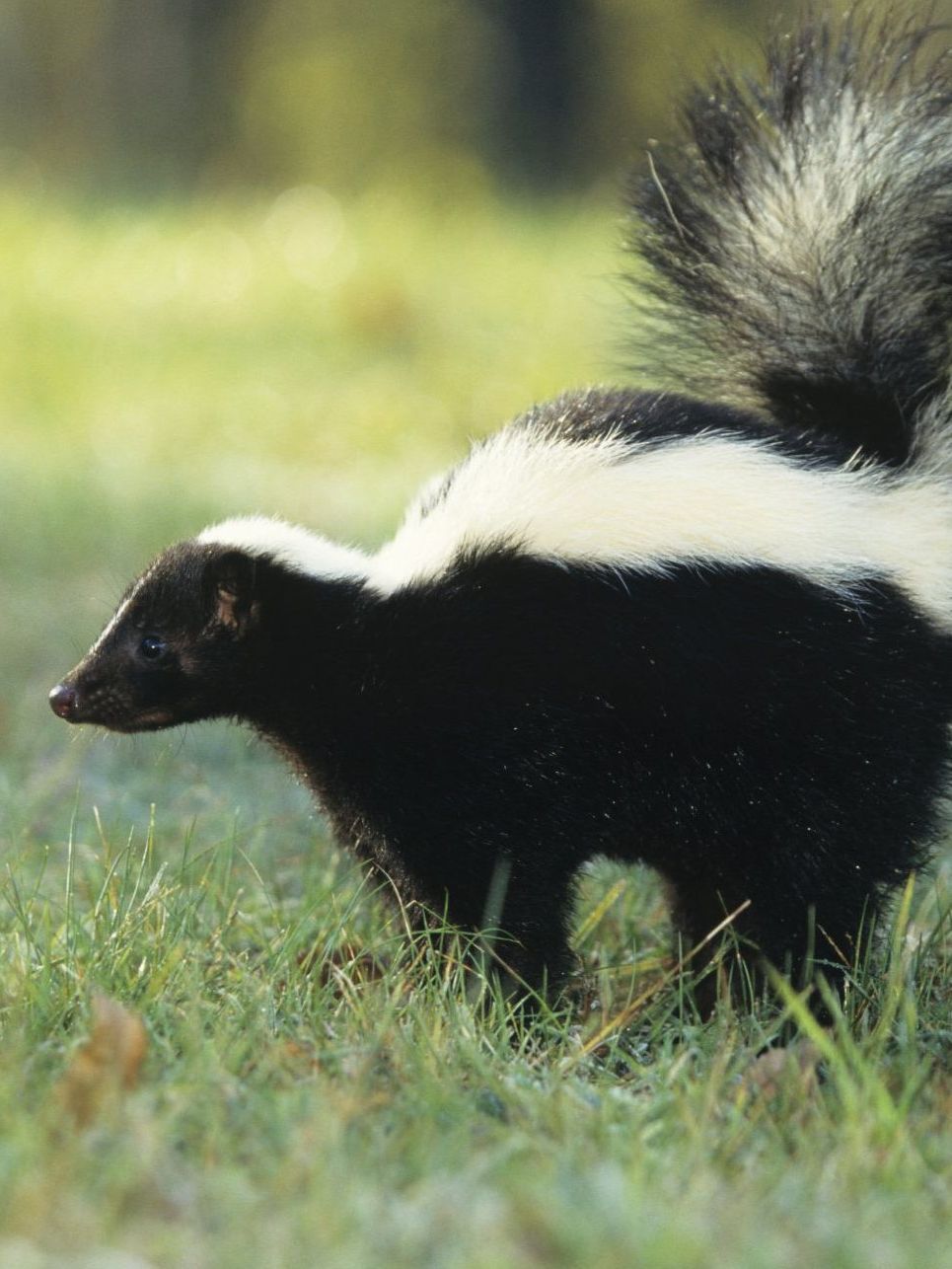
▸ Skunks: Coverage varies; odor remediation is almost always excluded.
▸ Woodpeckers: Damage is generally not covered because it is considered preventable.
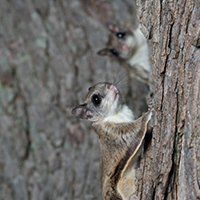
Wauconda, IL, sits within Lake County along the Chain O'Lakes region, meaning properties here regularly see raccoons, squirrels, flying squirrels, and bats moving between wooded lots and homes. This active wildlife corridor means local homeowners face intrusion risks that many suburban areas do not. Scheduling wildlife animal removal in Wauconda, IL, promptly after spotting signs of intrusion can make a significant difference in both damage outcomes and insurance eligibility.
What Does Insurance Typically Not Cover?
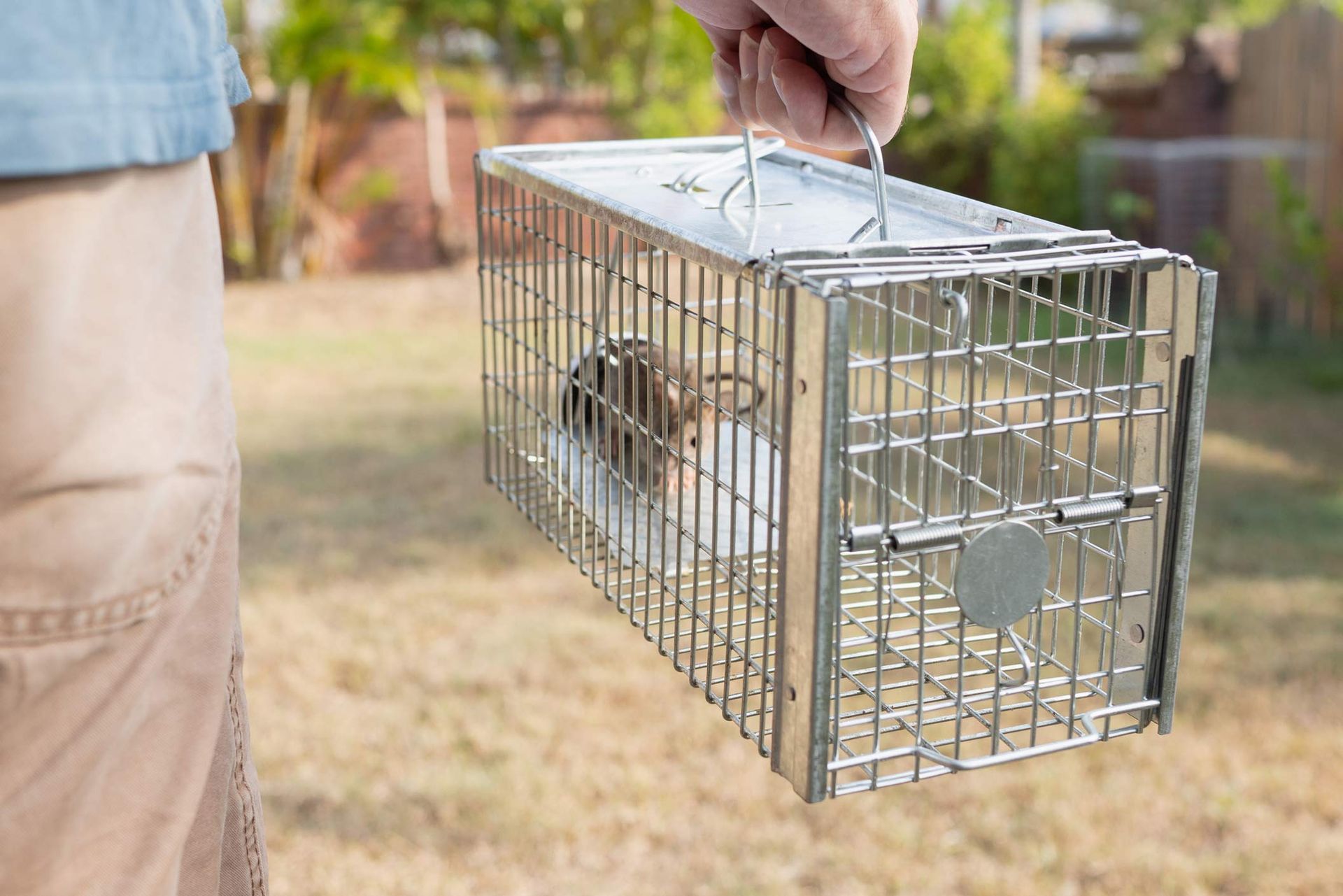
Insurance rarely pays for the removal itself. Trapping and relocating an animal is almost always considered a maintenance expense, not a covered loss. Personal belongings damaged by wild animals are also typically excluded from coverage.
Attic insulation contaminated by animal waste is a common gray area. Most policies exclude cleanup of biological waste, even when the damage was caused by a covered animal. Getting an
attic inspection
after any wildlife intrusion helps document exactly what damage occurred and when, which is critical for any insurance discussion. If you are uncertain whether your situation qualifies, professionals experienced in wildlife animal removal in Wauconda, IL, can help you build the documentation you need.
What Documentation Should You Gather?
Thorough documentation strengthens any insurance claim.
Follow these steps after discovering wildlife damage:
1. Photograph all visible damage from multiple angles before any cleanup begins.
2. Note the date you first noticed signs of wildlife activity.
3. Identify the species involved if possible, since coverage often depends on the animal type.
4. Request a written assessment from a wildlife removal professional detailing entry points and structural damage.
5. Review your policy declarations page for specific exclusions before calling your insurer.
6. Contact your insurer promptly, since late reporting can be grounds for denial.
A written report from a licensed technician carries more weight with adjusters than photos alone.
Does Insurance Cover the Cost of Sealing Entry Points?
Entry point repairs are sometimes partially covered when connected to a covered loss, but this varies by policy. Repairs such as sealing holes in soffits or replacing damaged fascia boards may fall under dwelling coverage if an insurer determines the damage was sudden. Preventive exclusion work completed before an animal enters is almost never covered. Our home repair service can document and repair both types of damage so you have a clear record for your insurer. A team experienced in wildlife animal removal in Wauconda, IL, will know how to present this documentation effectively.
Can I File a Claim for Ongoing Wildlife Intrusion?
Ongoing or gradual damage is typically excluded under Illinois homeowners policies. Insurers may view a long-term intrusion as a maintenance issue the homeowner should have addressed sooner, and filing such a claim can affect your renewal rates. Acting quickly when you first notice signs of wildlife activity is the best way to protect both your home and your insurance record.
Get Expert Help Serving Wauconda, IL, Today
The most important first step is getting a professional assessment so you know exactly what damage exists and can make informed decisions about coverage. Wildlife animal removal in Wauconda, IL, is best handled by experienced professionals who understand both the local animal population and the documentation insurers expect.
All Wildlife Animal Eviction has served McHenry, Lake, Cook, DuPage, and Kane Counties for over 40 years and offers 24/7 emergency service.
Contact us
today to schedule an inspection, or call
(815) 788-0679. You can also read local reviews and learn more about our team at All Wildlife Animal Eviction.